Project: Algo Teaser
One script. Zero locations. Three days.
task
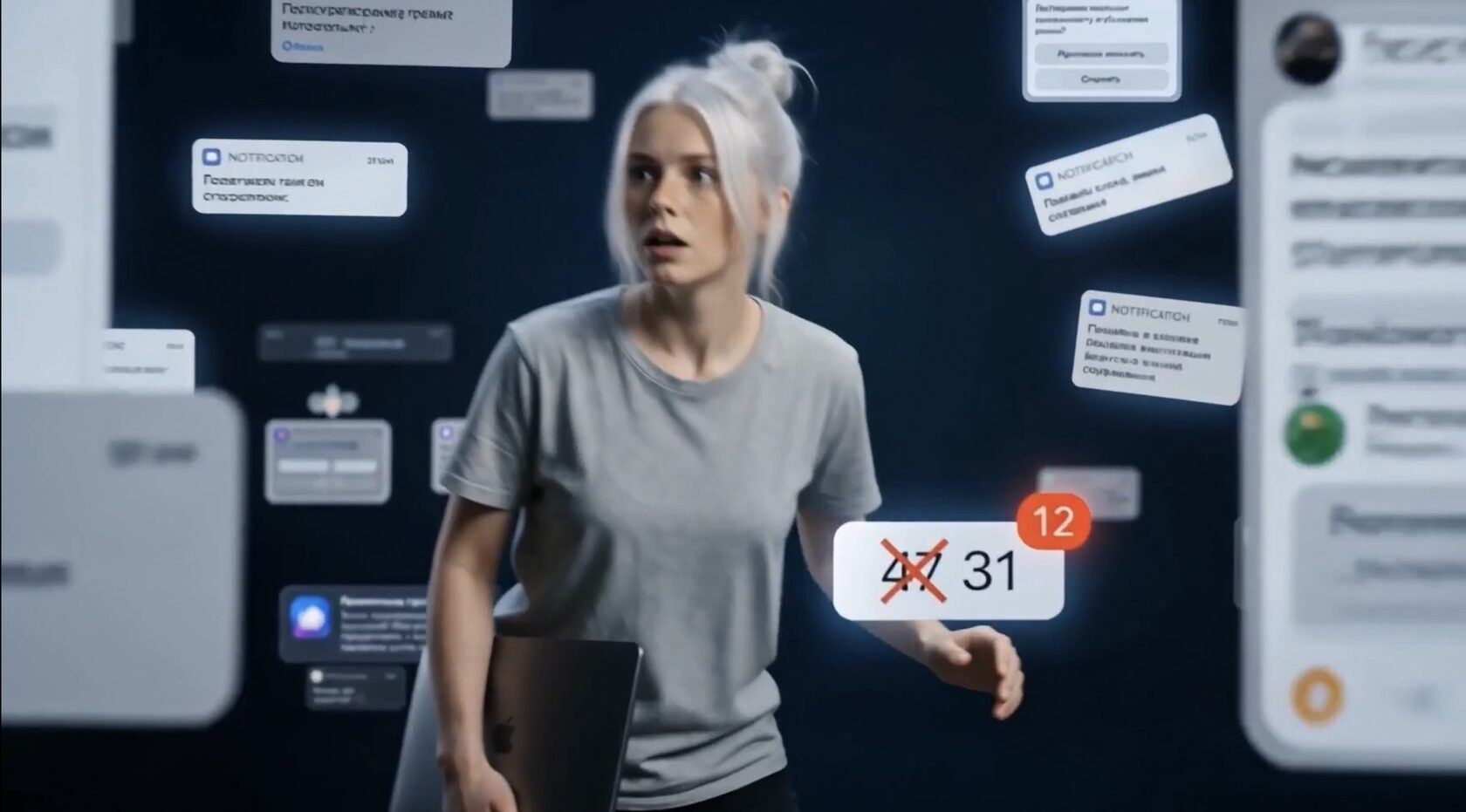
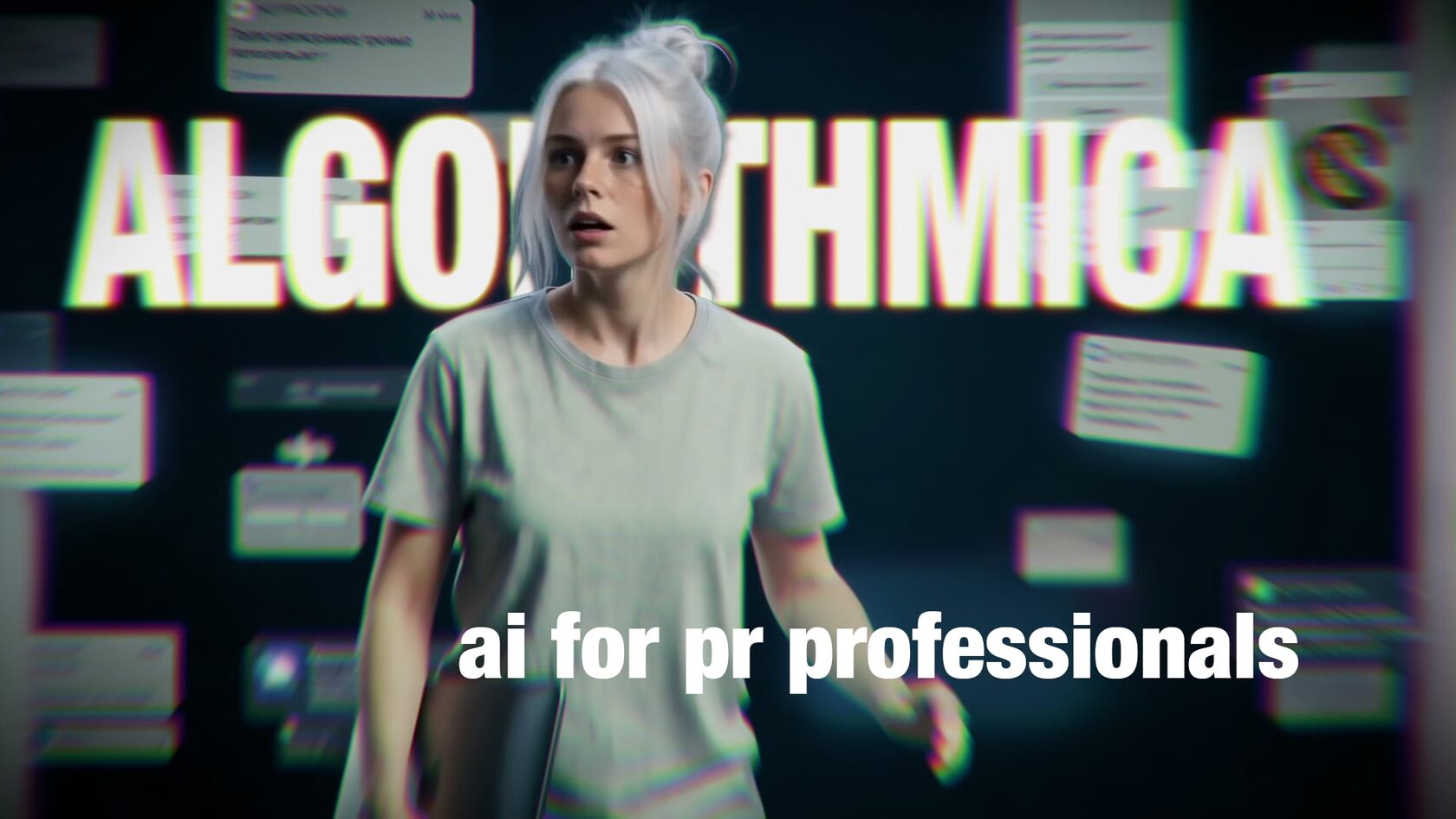
Algorithmica is a coding course Foxford had just acquired. Mid-integration means exactly what it sounds like: new client, new brand guidelines, new everyone — communicating like an external partner even though the entity was technically internal.
The brief came in on shoot day. The script that came with it didn't work. We rewrote it on the spot, pitched it back, and the client approved the new direction immediately.
Then came the real problem: there was no time left to shoot it. No locations booked. No crew available. No room to improvise on set. The speakers attached to the project had almost no availability either.
The constraint: keep the new script and story exactly as approved. Find another way to make it real.
The brief said "one location."
Day 1. First prompts in Nano Banana 2.
Testing if the rewritten script could even hold up visually before committing to it.
solution
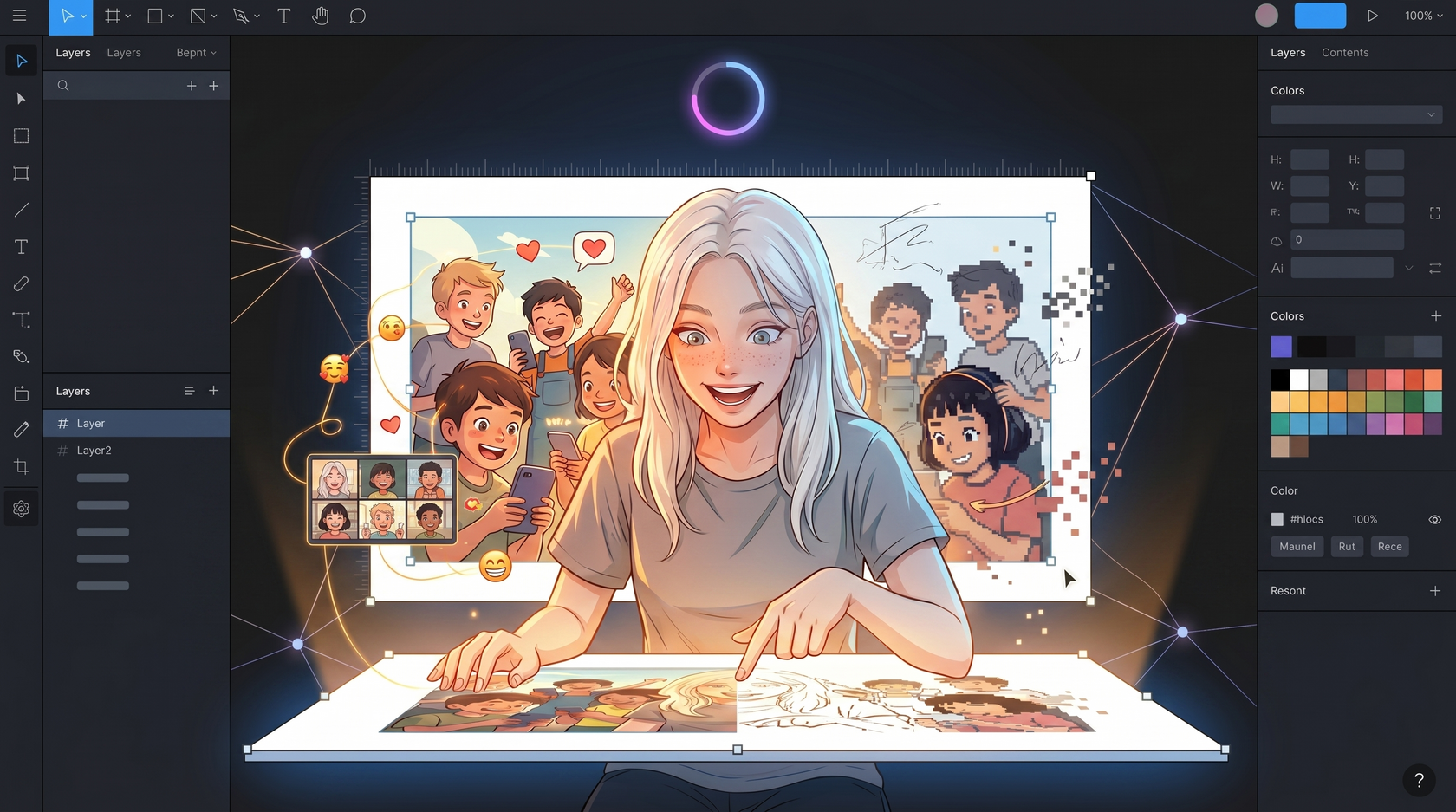
We decided the teaser would be built entirely with AI but we kept the same script, same story beats, zero changes to what the client had already signed off on. The only thing changing was the production method, not the creative.
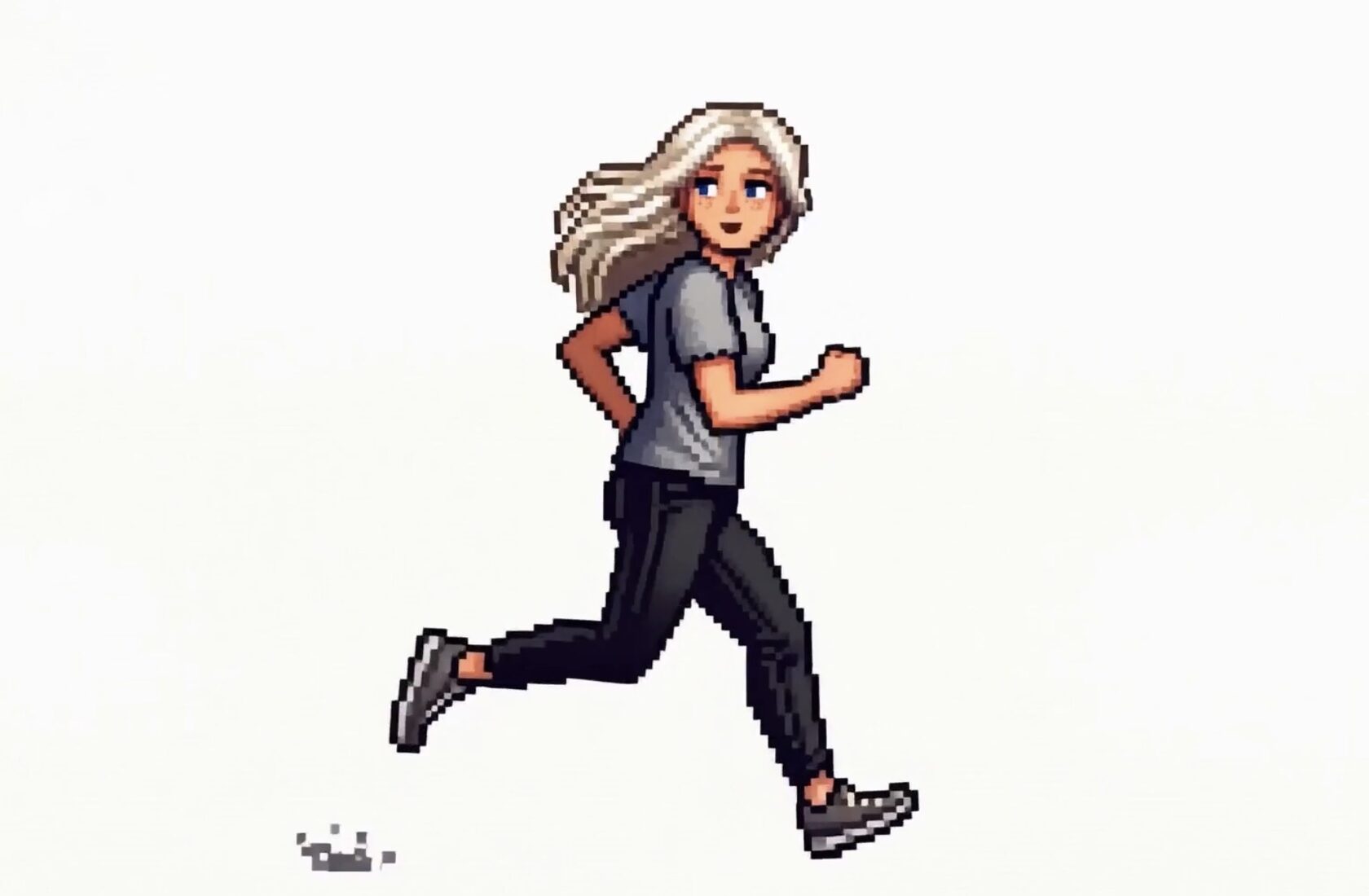
That meant working across multiple “layers of reality” at once. We started with photoreal generation to ground the characters and environments, then pushed into a more digital, stylized register where we could experiment with rendering, motion, and tone without breaking continuity. Each layer had to read as intentional — a deliberate shift in visual register, not a seam where the AI showed its limits.
The stack:
- Nano Banana 2 — base generation and character consistency
- Seedance — motion and scene transitions
- Kling 3.0 — secondary shots and detail work
- ElevenLabs — voice
- Epidemic Sound Studio — music and sound design
The team's first reaction was skepticism: nobody on the crew had shipped a fully AI-generated deliverable for a real client before. That changed once we remembered what the underlying course was actually about: Algorithmica teaches kids to code, often touching AI concepts directly. A fully AI-made teaser wasn't a workaround dressed up as a concept. It was on-brand.
Not every generation made the cut
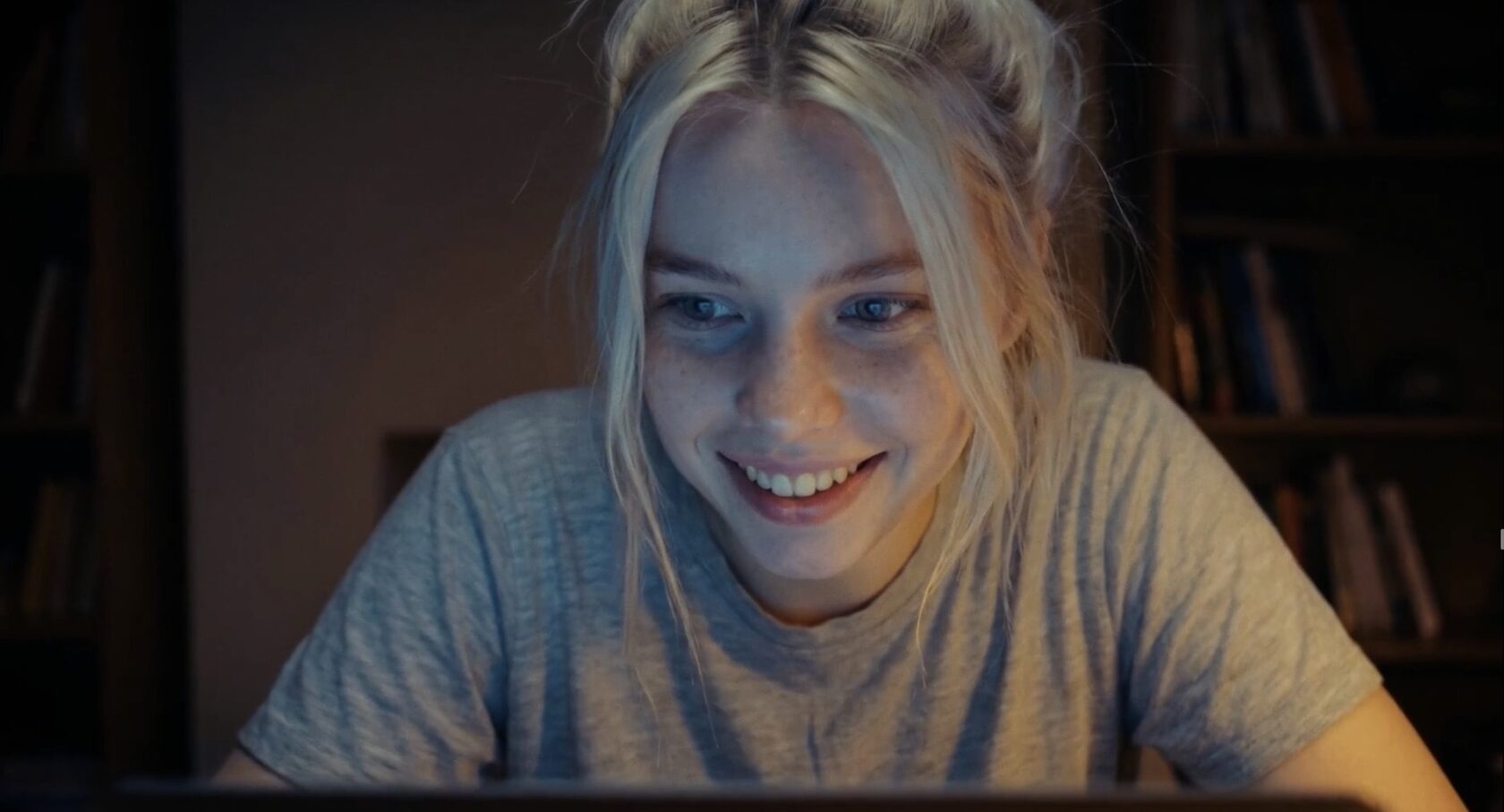
We kept generating until the characters felt like they belonged in a coding course, not a generic AI showcase.

result
Delivered in three days (one weekday, two weekend days) with the original script and story untouched.
Approved with zero revisions. Zero comments.
What started as a forced workaround became a different kind of product entirely: not a video that used AI as a tool, but a video that used AI as the production method, start to finish, while still hitting the deadline and budget a live shoot never would have allowed.

And the team that doubted it shipped it anyway.
The same producers skeptical of AI-only production signed off on the final cut without hesitation — because the result didn't look like a compromise. It looked like the course it was advertising.
