Project: Career Guidance Reimagined
12+ professions. 5 clusters.
task
The brief that came in was safe, familiar, and exactly what everyone inside the company already knew how to make: a career guidance course, one speaker per video, static setup, conservative budget, predictable timeline. The kind of format nobody questions because nobody's ever asked them to.
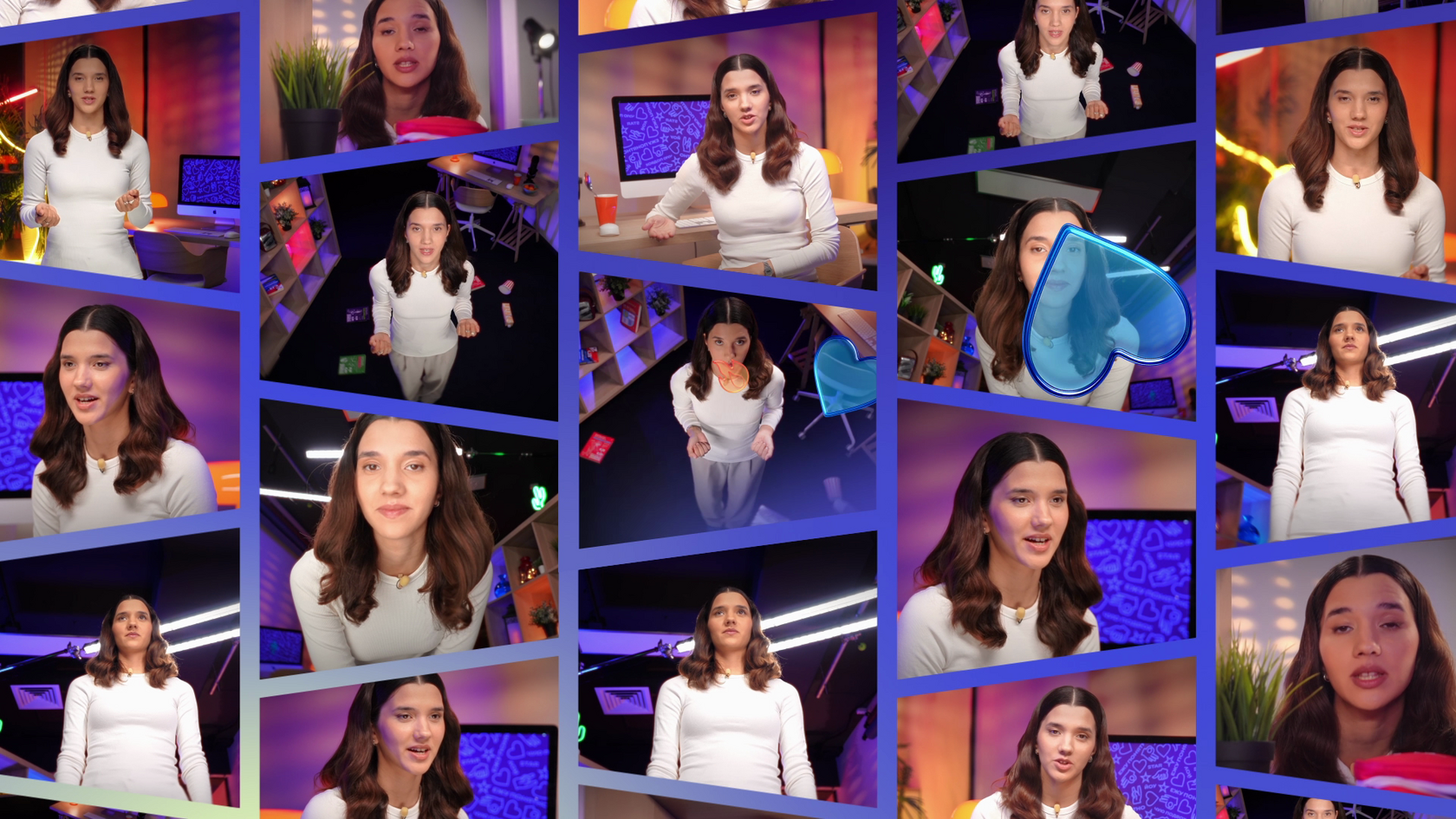
We looked at it and saw a different problem. The client's actual audience — teenagers figuring out what to do with their lives — doesn't watch static talking-head videos. They watch blogger-style content: moving camera, dynamic cuts, energy in the frame. A course that looked like a corporate training module wasn't going to reach them, no matter how good the advice inside it was.
There was a second issue buried in the brief: the professions list leaned heavily technical, as if “career guidance” meant “become a programmer.” That's not what the world looks like. It's full of journalists, writers, actors, architects — people building things that have nothing to do with code.
The pitch we made: keep the budget. Keep the deadline. Change almost everything else.
The hardest sell wasn't the format. It was the trust.
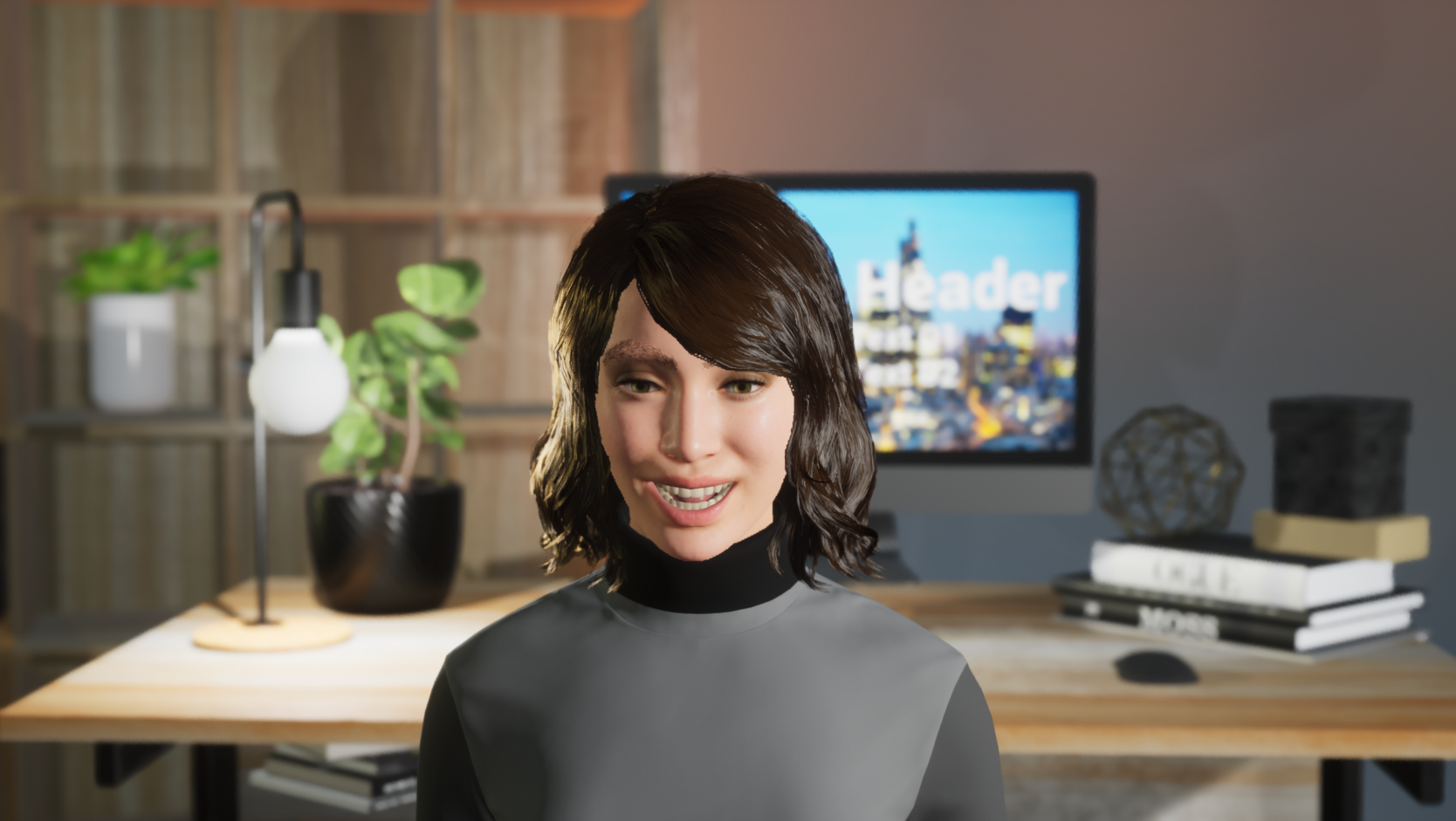
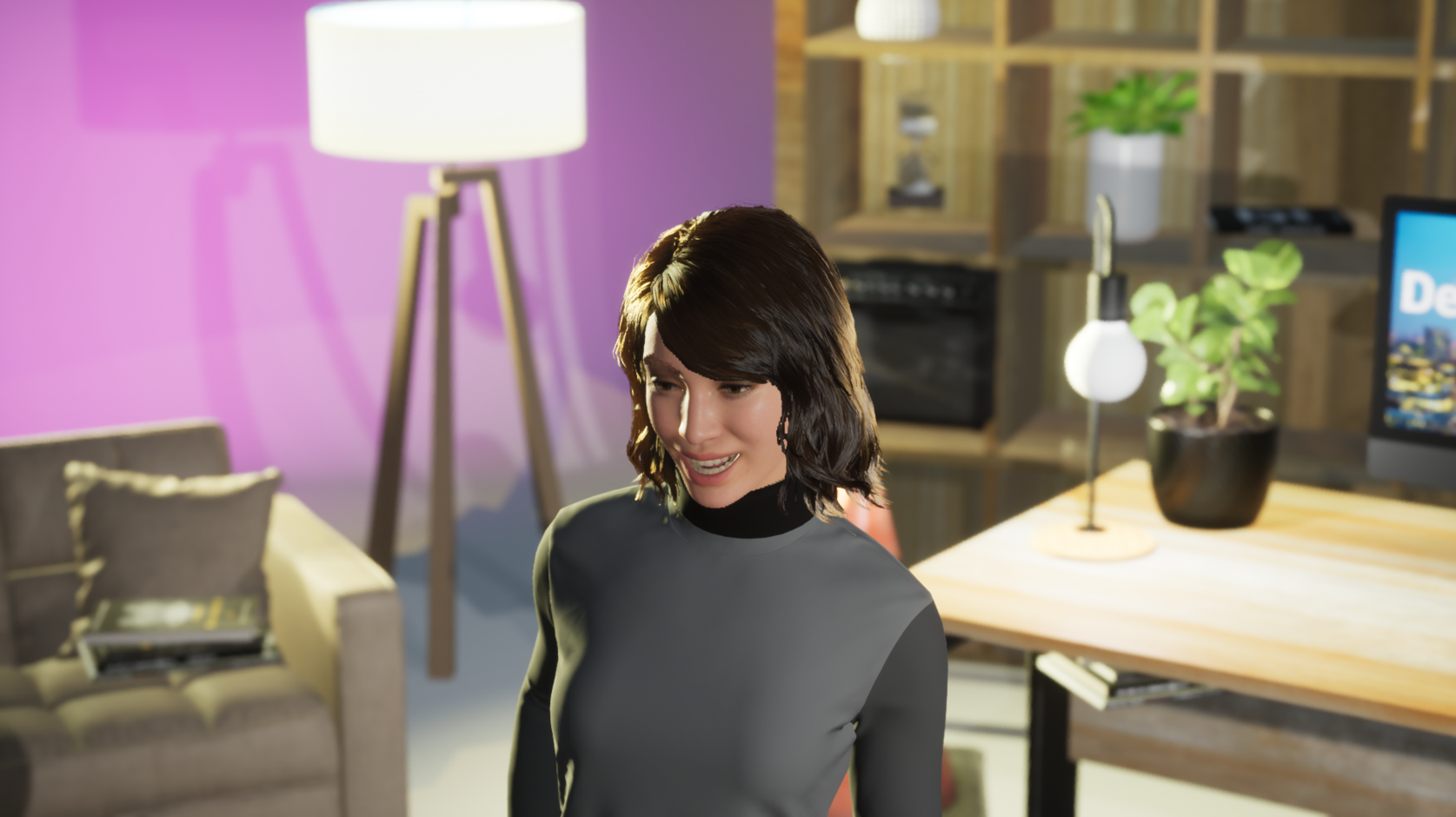
Early studio visualisations
solution
We didn't pitch a redesign. We pitched an experiment, with conditions attached: same budget, same timeline, but a format built around how the audience actually consumes content, not how internal habit said a course should look.
Blogger-style production. Moving camera instead of static setups. Multiple angles per scene instead of one fixed shot. Visual energy that matched what teenagers scroll past on their own feeds every day, because that's the competition, not other courses.
Restructured around clusters, not professions. Instead of one speaker per video explaining one job, we grouped over a dozen professions into five thematic clusters: some videos featuring three speakers, others five, talking to each other rather than at the camera.
Deliberately not IT-first. Programmers got their place in the lineup, but so did journalists, architects, writers, and actors. The message wasn't “learn to code.” It was “here's the actual range of what you could become,” and that required treating non-technical careers with the same production value as technical ones, not as filler.
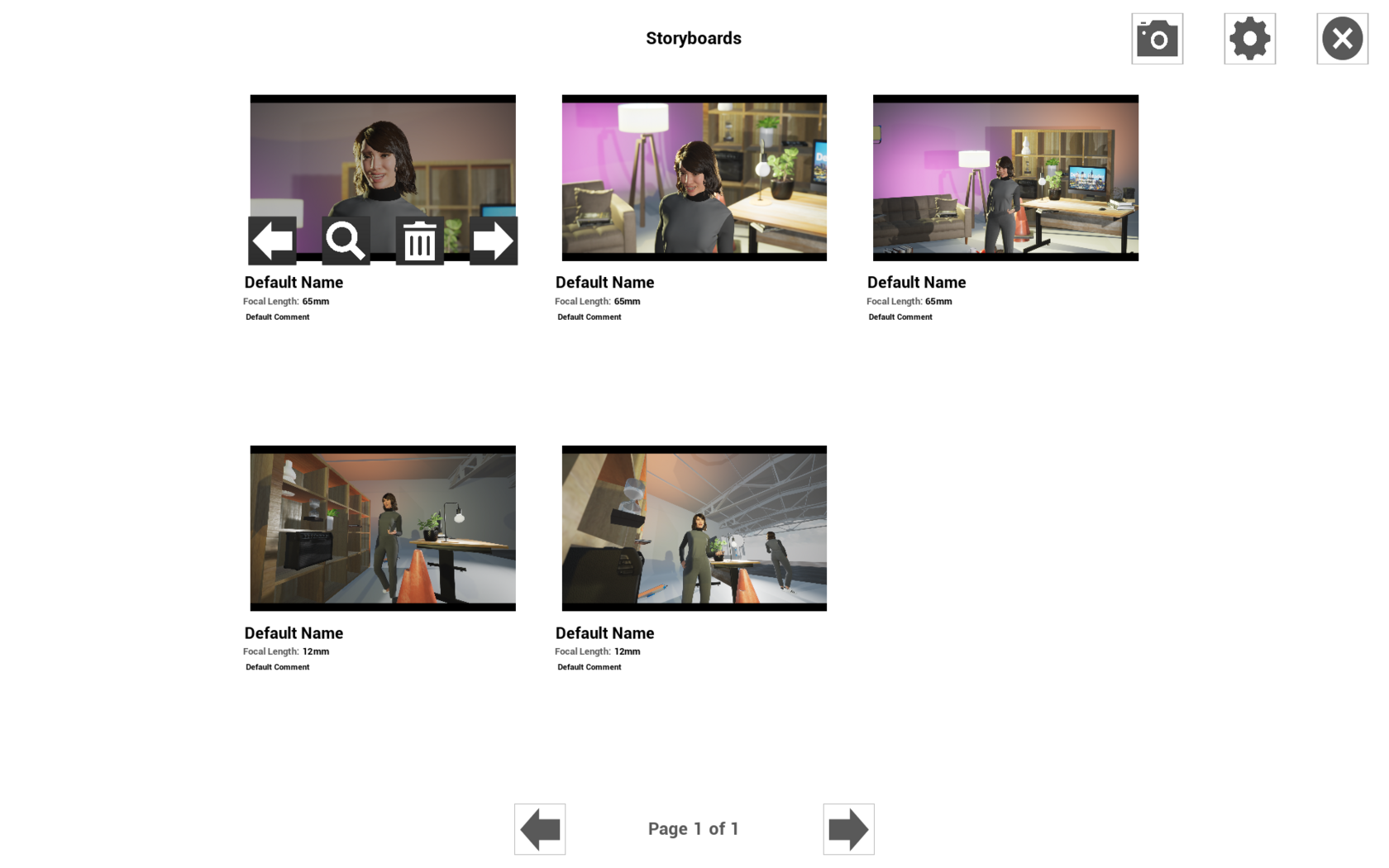
Studio Story
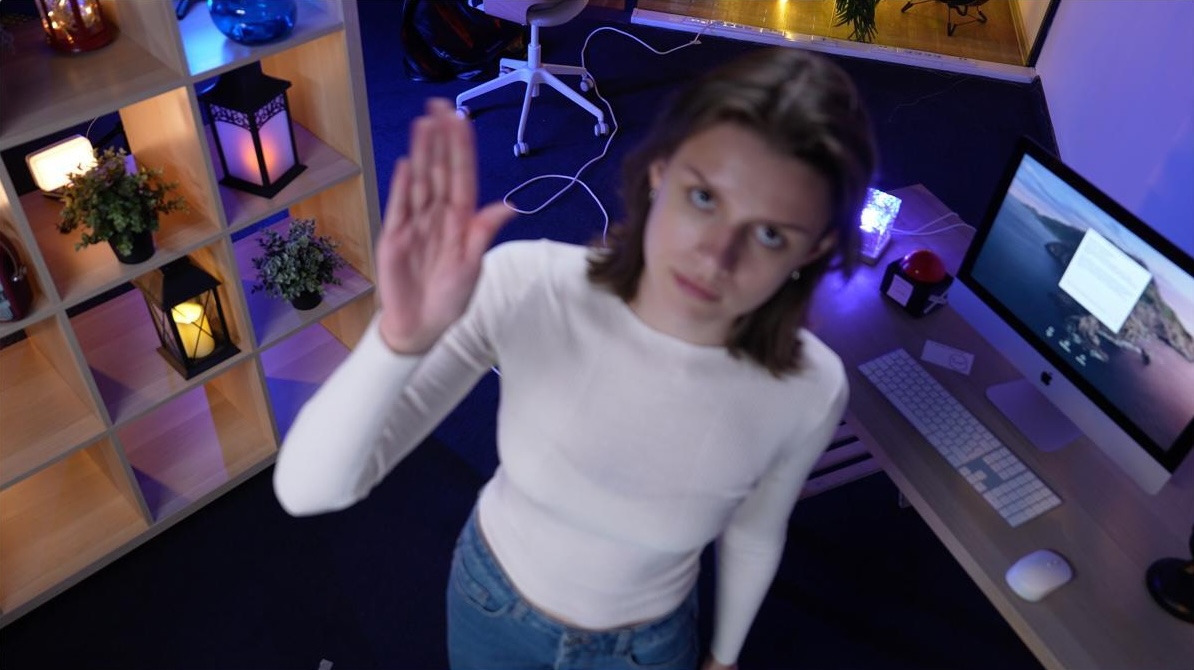 (pre-shoot)
  (final shot)
 result
The experimental format shipped on budget and on schedule – the two things we'd promised to protect going in.
What happened after release is the part that mattered: the course attracted significantly more interest than the conventional format it replaced, and the client came back for more work built the same way.
The bet wasn't just that a riskier format could work. It was that we could deliver it without the client ever feeling like they'd taken on the risk themselves.
